Research Projects
Explore my research projects in the field of astronomy and beyond.
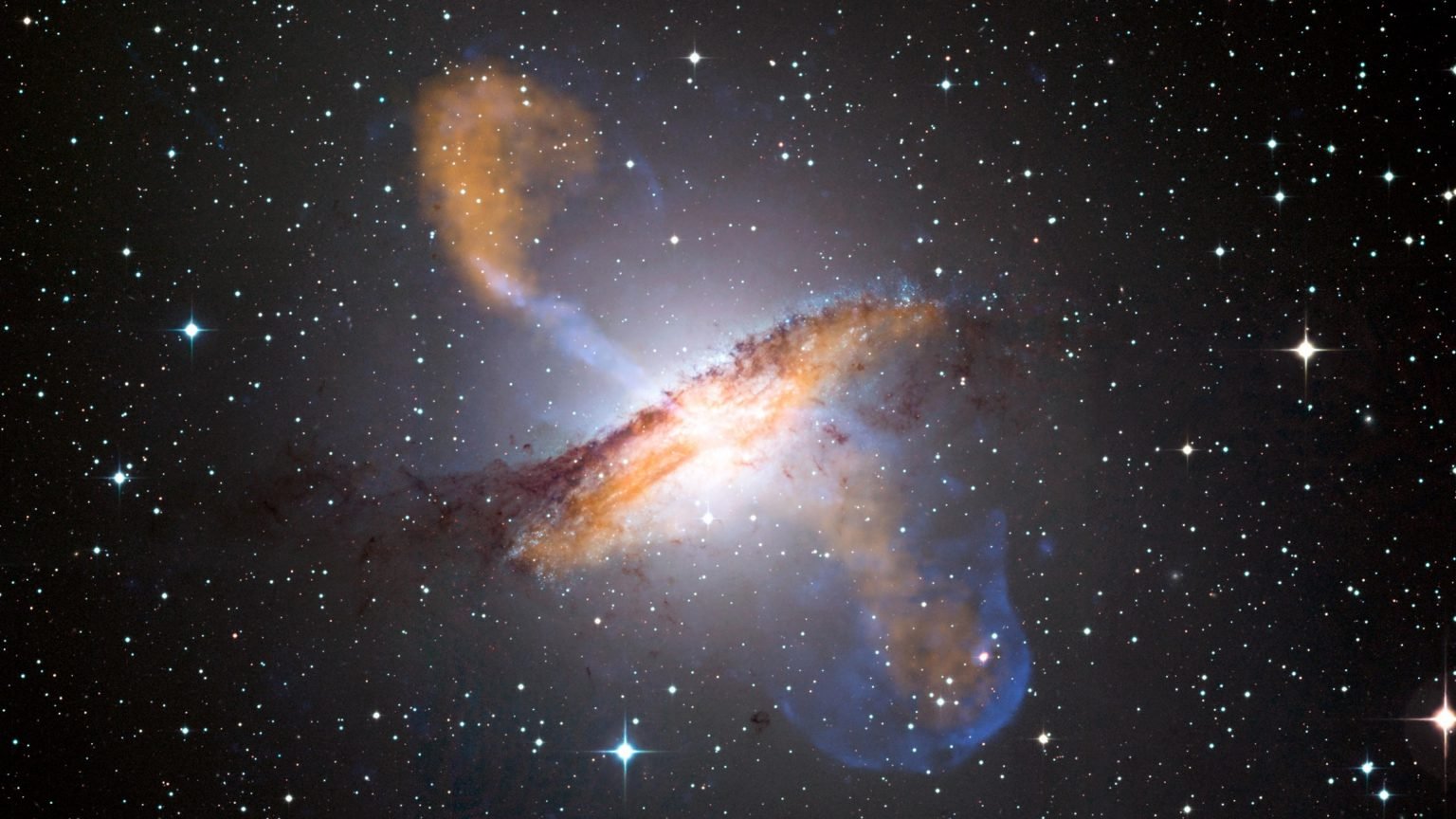
Prolific Nitrogen Production and Metallicity Gradient in AGN Accretion Disk
Constructing an idealized diffusion model to show that multiple generation of stars leads to fast N-enrichment with an abundance gradient in the AGN disks. Image credit: ESO/WFI (Optical); MPIfR/ESO/APEX/A.Weiss et al. (Submillimeter); NASA/CXC/CfA/R.Kraft et al. (X-ray).
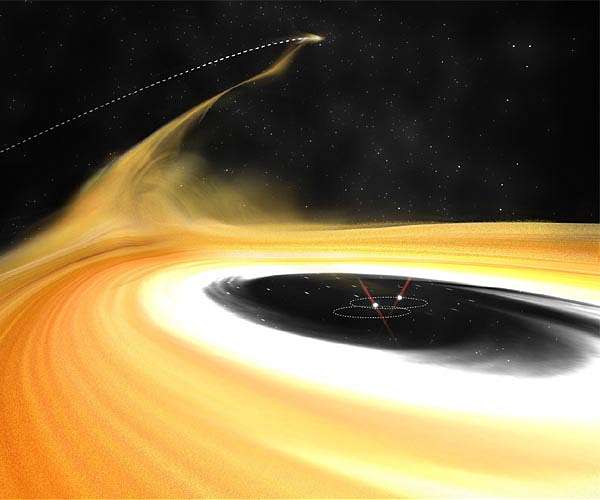
Migration of High-eccentricity Gas Giants on a Protoplanetary Disk
Conducting hydrodynamic simulations on gas giant migration on a protoplanetary disk by Athena++. Integrating migration laws from hydro simulations into REBOUNDx framework for effective dynamic simulation on complex planetary systems. Image credit: spacedaily.com.

Launching Mechanism for Freely-Floating Planets from Host Stars with Close-in Planets
Conducted REBOUNDx simulation to test the influence of tides on the production of FFPs from the host stars with cometary companions and close-in planets. Deduced a theoretical model to explain the tide influence on such systems. Image credit: the European Southern Observatory.
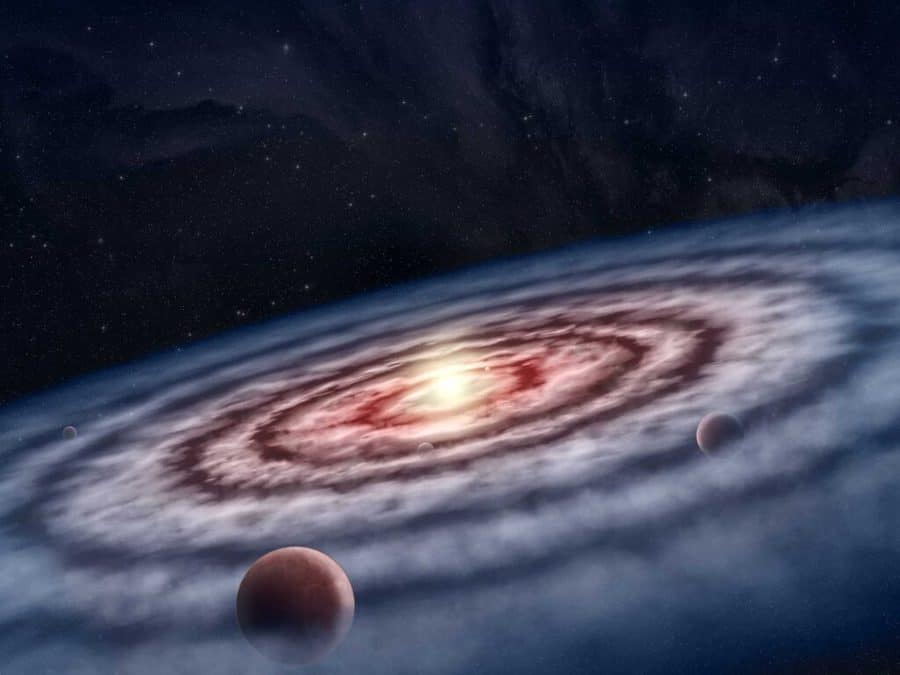
Planet Migration in Protoplanetary Disks with Rims
Conducted simulations on migration of planets on a protoplanetary disk with rim shaped dead zone by Athena++. Theoretically analyzed the migration mechanism as the competition between torques in planet-disk interaction, and further explained the distinct migration behaviors of hot Jupiters and super-Earths. Image credit: Center for Astrophysics | Harvard & Smithsonian.
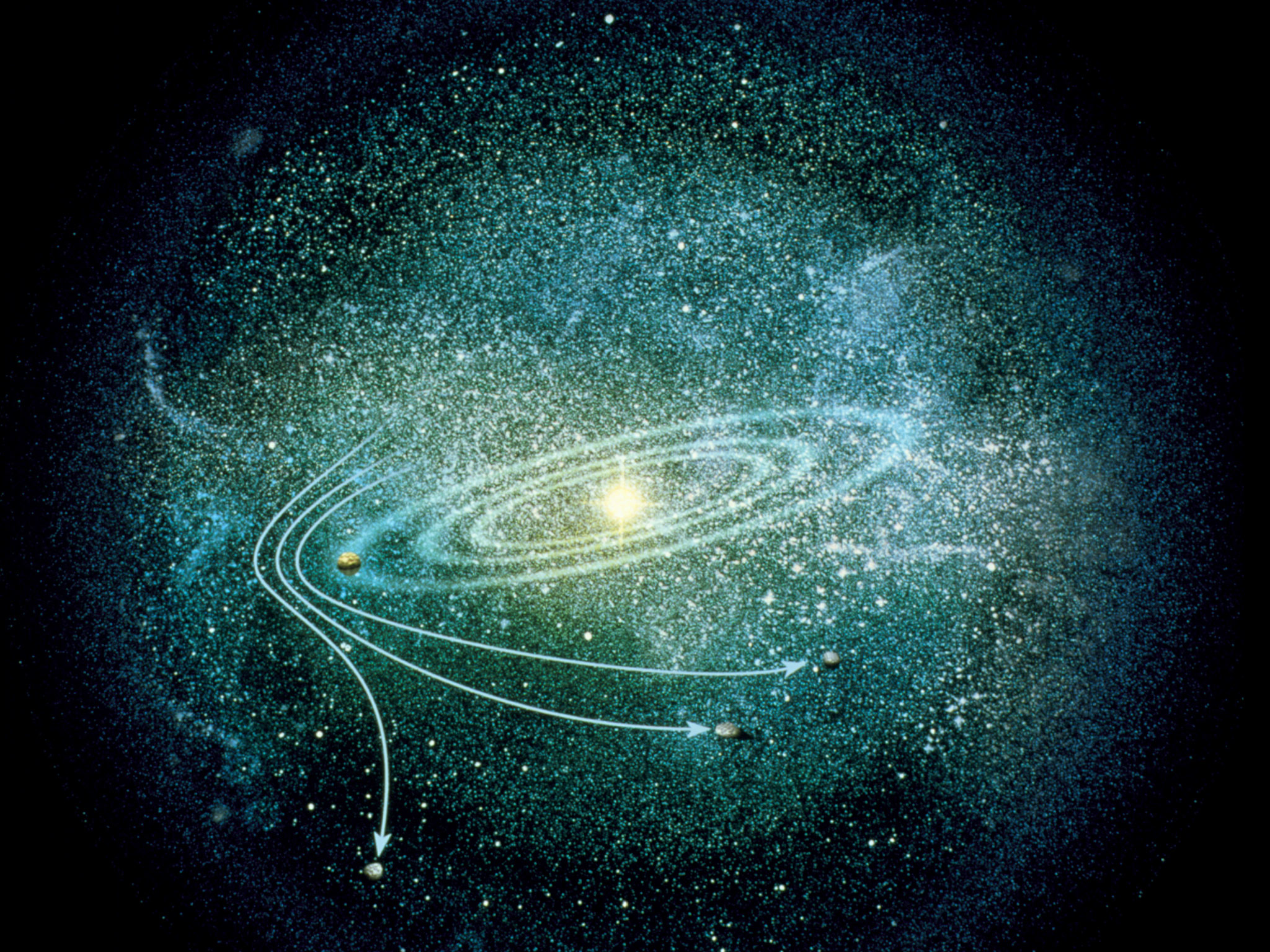
Comet Shower at the Pliocene-Pleistocene Transition Triggered by a Stellar Fly-by
Conducted numerous simulations on Oort cloud and stellar flyby by REBOUND package, revealed and explained the Oort cloud behaviors of a possible comet shower 3 Myr ago during the flyby of star HD7977, analyzed comet duration, intensity, and its impact on the ancient Earth. Collected geographic evidence of craters and comet components, revealing that this comet shower could be the cause of the Pliocene-Pleistocene Transition. Image credit: AAAS | Science.
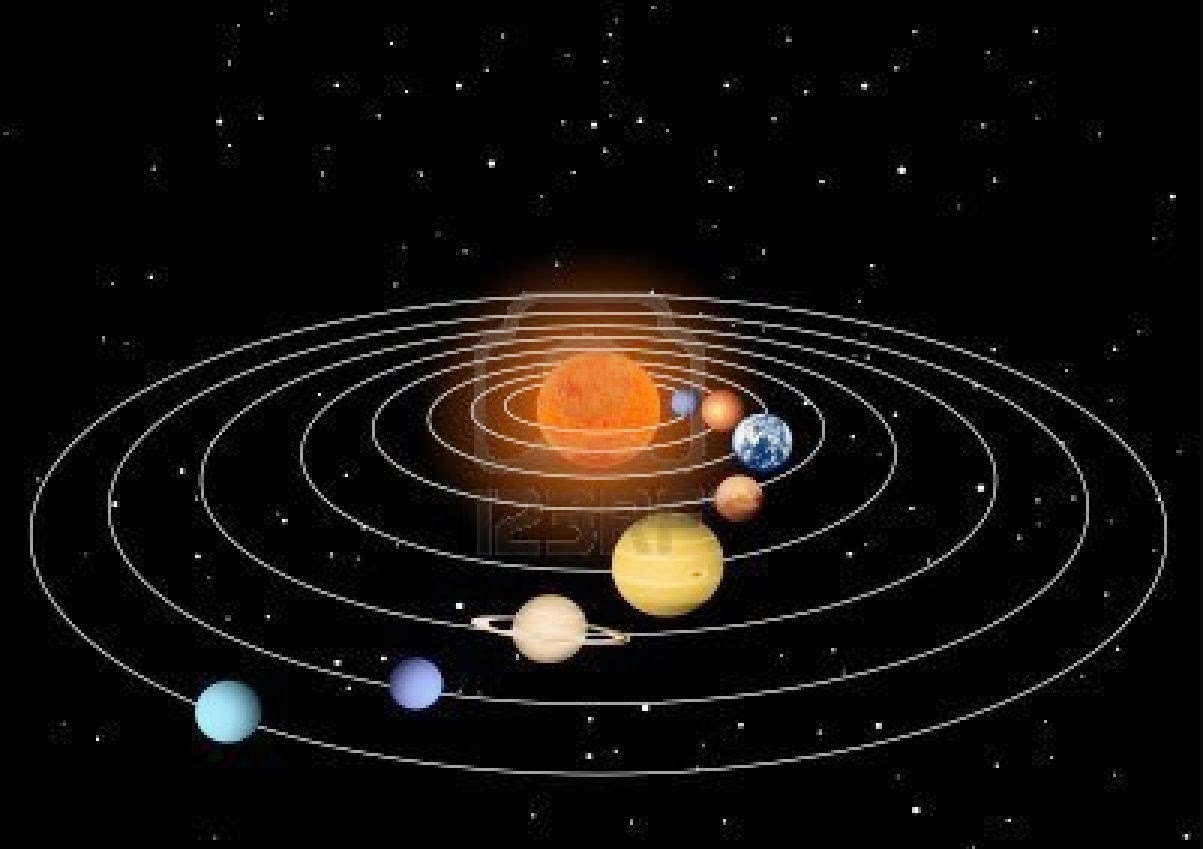
Stability of the Solar System by Impacts from Free Floating Planets to Stellar Flybys
Explored flybys' impact on planetary systems (solar system) by REBOUND, computatively and theoretically revealed the relationship between system collapse probability and intrusion perihelion distance on a large parameter space. Photo: NASA Hubble Telescope. Image credit: solarsystemandgalaxy3.blogspot.com.
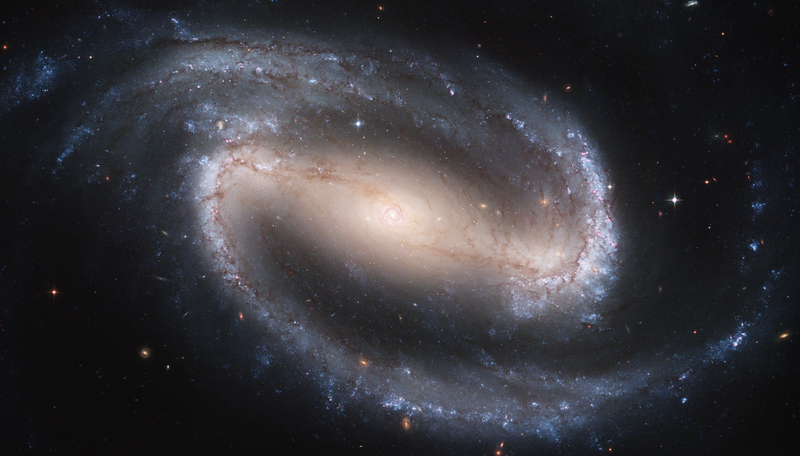
HST to JWST Super-Resolution Based on ControlNet
Using convolution techniques to down-resolve the JWST images to the HST resolution, and validating the database using ControlNet-based machine learning.